
Why You Can't Save Money (And How Real Estate Changes Everything)
Why You Can't Save Money (And How Real Estate Changes Everything)
You live in America... you work... you earn money... but why don't you still feel financially secure? Most of us work incredibly hard—some with two jobs, some alongside family members—yet the same question haunts us at month's end: Why can't I save? If this sounds familiar, you're not alone. What if I told you the problem isn't your work ethic or income—it's that you're operating like a solar panel without a battery.
I want to start with a question.
Breaking Free from the Information Paralysis
We live in an era where information is cheaper than water. Everyone talks, everyone gives advice. This abundance of information actually prevents people from taking action. If you say "I'm not ready yet" or feel afraid of buying a home—this is completely normal.
This article isn't here to force you into anything. It's simply to provide the right explanation and the right perspective. Because buying a home in America isn't just a transaction—it's entering the financial system itself.
The Fear Factory
On television, social media, and in the news, we constantly hear: These thoughts keep people in a state of fear. I'm not saying everyone is deliberately lying, but very often the system is set up to keep people inactive.
My goal today is to clarify these fears, not increase them. Fear often arises from not knowing. If we don't understand this system, even if we buy a house, we still won't have that feeling of security inside.
This isn't a "where should I buy?" guide or a "what's the interest rate?" calculator. This is about understanding how money actually works.
Why Trust Me?

You might ask: why should you trust me on this topic? My answer is simple: I have a personal interest in your success. I'll keep what that interest is as a secret for now, but I hope by the end of this article, you'll discover it yourself.
My main goal isn't to recite advantages of homeownership—you can get that from ChatGPT. My goal is that when you finish reading this, you see yourself differently. You should look at "buying a home" with completely new eyes.
My Story: From Zero to Understanding the Game

I'm Plato Asadov. I've been living in America since 2011, arriving with a decision made in 3-4 hours, $1,000 in my pocket, and zero English.
Building and Losing It All (Twice)
Starting from 2013, together with my partners, I built a successful small business network:
- 4 different states
- 10+ store locations
- 30+ team members
- 30,000+ annual sales transactions
- $4-5 million annual sales turnover
Between 2019-2022, I founded an online service company with annual turnover reaching $1 million. From 2022 to today, I've been operating in real estate as a sales consultant, investor, and construction company manager.
Why am I sharing this? Because I started from scratch, just like you. I made many mistakes. I came close to bankruptcy twice, lost everything and started from below zero. The system I'm about to share isn't from textbooks—it emerged from the life I lived.
Three Moments That Changed Everything
First Enlightenment: Missing My Son's First Year (2018)

My son was turning one, and I realized I had only a handful of photos with him from that entire year. The reason? I was at work all day. Though I'm a workaholic by nature, this moment made me stop and think—something had to change.
Second Enlightenment: The Business Had No Real Value
The business we built and sacrificed years for had no real market value. Since all our stores were in rented buildings, they weren't seen as "saleable assets" by banks or buyers.
That's when I understood for the first time:
In America, wealth is measured not by the money flowing through your account, but by the value of the property you own.
This thought changed everything for me.
I immediately enrolled in a 40-hour real estate agent course. But old habits die hard—I put the dream aside and started another online service business instead. We invested everything we had plus credit into it.
When Covid hit, business boomed. We thought we'd reach million-dollar turnover quickly. Then everything stopped. Our Google account was suspended.
Sales dropped from thousands daily to $100-150. With 8 employees and mounting expenses, our debts approached $300,000. My credit score plummeted from the 800s to the 400s.
For 2 years, I worked day and night without taking even one dollar in salary. And here's what I learned: working a lot does NOT make you move forward.
Third Enlightenment: Money Is Just Paper (December 25, 2021)
By late 2021, we'd paid most debts and I was back at zero. On Christmas Day, I made a decision: Starting 2022, I would completely change my financial perspective. Every step forward would be calculated to create wealth.
Why? Because this was the second time in 4 years that "successful" businesses built to make money left me halfway. I realized money was nothing more than a worthless piece of paper.
The businesses didn't fail me—my lack of financial education did. Building and growing businesses wasn't the problem. So I dedicated 2022 to understanding what money really is, how it works, how it's created, and how it's "melted away."
Like many immigrants, I was busy "making money" and "chasing American dreams." But here's the truth: sometimes we run very fast without knowing what we're chasing. Many things we think of as "dreams" are artificially implanted thoughts. Life and the system work completely differently.
Where I Am Today

From those difficult days to now, I own or partner in:
- 3 rental apartments
- 3 newly built projects
I achieved this with very low income and a credit score "crawling on the ground."
My point? No difficulty can excuse you from success. With the right method and approach, you can do this too.
Some of you think: "I'm an exception, this doesn't apply to me." I assure you—you're wrong. Yes, methods may vary, but with the right approach, a plan can be created for each of you.
It's simple: know what the wrong steps are and don't take them.
The Best Advice I Ever Got

When I first arrived in America, I didn't know anyone. No WhatsApp groups for instant answers. It took a full year to find our first compatriot.
Facing a difficult decision, I called my late father for advice. Without hesitation, he said:
"Son, I've never been to America. How would I know which path you should choose? Find someone there who has done that job and ask them. If there's no such person, choose one path. If it's right, great. If not, come back and choose the other."
The lesson: When facing difficulties, we ask family and friends for advice. But we don't ask: What is their knowledge level on this topic?
People often don't admit they don't know. When you ask, they feel responsible to answer. Very often their answer aims to "protect you from risk" rather than solve the problem—and it's wrong.
Therefore: Ask someone who deals with that work, not friends or acquaintances. If no one's available, ask ChatGPT. If that doesn't work—be courageous. Say "here goes nothing" and start. Either it'll be right, or you'll gain valuable life experience.
Understanding Money: The Solar Panel Metaphor

What are the advantages of buying a home or being a property owner in America? The answer is simple—it depends on what money actually is.
Money: The Stimulus Tool
Money is paper. It was created to stimulate us to work.
Think for a moment: Would you work if you received no payment? No!
Money serves to stimulate society. You're constantly shown things and told "you need this." To get that thing, you need money. To get money, you must work. This cycle continues endlessly.
Say you earn $10,000 a month:
- 35% goes to the government as income tax
- The rest you spend on rent, car, phone, etc.
- At month's end, you're forced to work again
Is there a way out of this loop?
You Are a Solar Panel Without a Battery
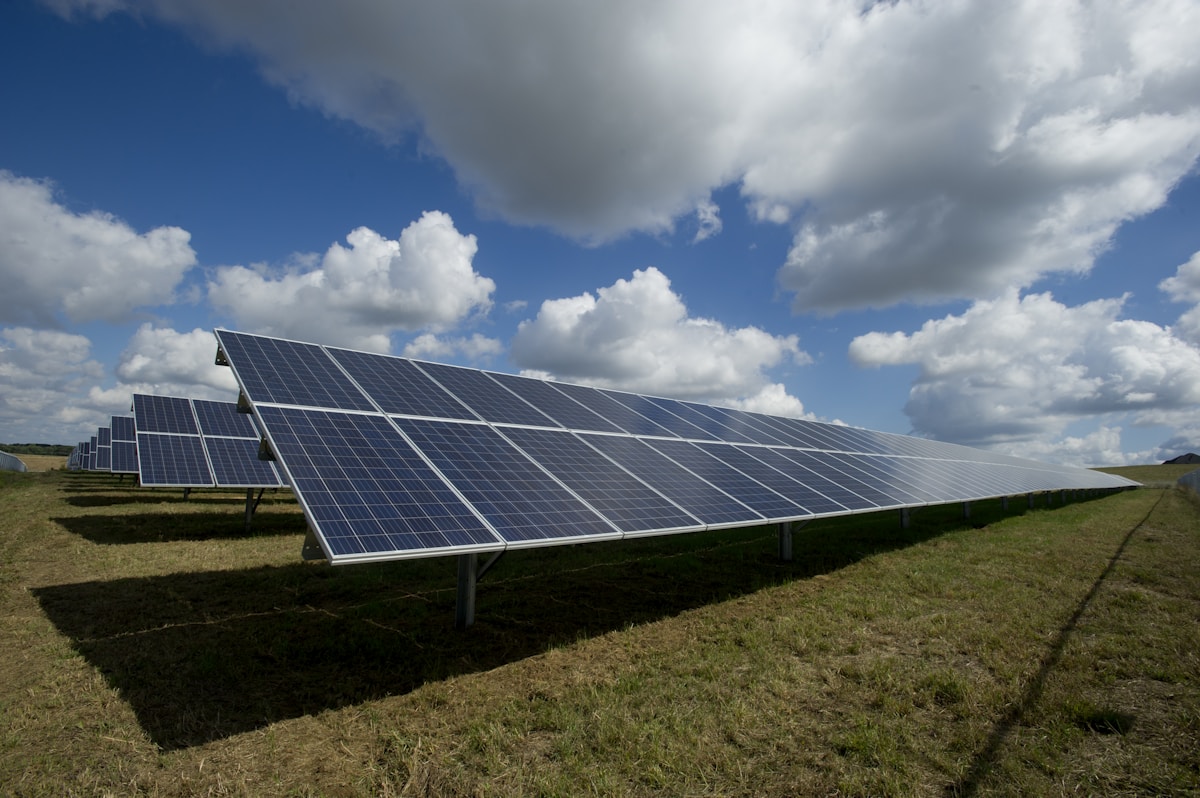
Let me explain with a simple analogy. We've all seen solar panels:
- When the sun's out, they work and create energy
- When the sun sets, energy stops
If we wait for the sun to use energy, life gets difficult—especially in Boston. So what do we do? We collect morning energy in storage batteries. This lets us use energy at night when the sun sets.
Depending on battery size, we can live without sun for 3, 5, or 10 days.
The Energy System Applied to Your Life
Now imagine YOU are a solar panel:
- You produce energy (money)
- The sun is your job or ability to work
- Your current lifestyle is a system without a battery
When sun sets → energy production stops.
What's needed to use energy continuously? Energy storage.
But if you're forced to spend all the energy you produce? Then along with storage, you need energy conservation—just like switching from old tungsten lamps to LED bulbs.
In this system:
- Money you earn = energy created
- Money you spend = energy consumption
- Energy storage = savings/assets
- Energy you collect = energy you can save
Some people's production exceeds consumption (big panels). But for those with low production, storage importance is critical—because when the sun sets, they may not even find candlelight.
The most effective and cheapest energy storage? Real estate.
By being a property owner, you preserve part of the energy you create.
The Three Parts of Wealth Building

This system has 3 components:
- Energy Creation (earning money)
- Energy Collection (saving/investing)
- Prevention of Energy Loss (tax advantages, equity building)
How Much Energy Should You Preserve?
This varies for everyone. But at minimum, the amount you lose to rent is sufficient. These expenses are mandatory with no escape.
Start with that number. By paying your $3,000 rent to your own home instead, you start filling your own energy storage.
"But Most Goes to Interest!"

A common objection: "When I buy a home, only $300 of my $3,000 payment goes to principal—the rest to interest. What good is that?"
Here's the good: When renting, ALL $3,000 went out. Now at least you're preserving a part—and this increases gradually.
Small part at first? As time passes, the ratio changes and the preserved part grows.
The main goal isn't "fill lots of storage from month one." The main goal is to set up the system. See early expenses as long-term investment in building the system.
Tax Benefits: The Hidden Game Changer
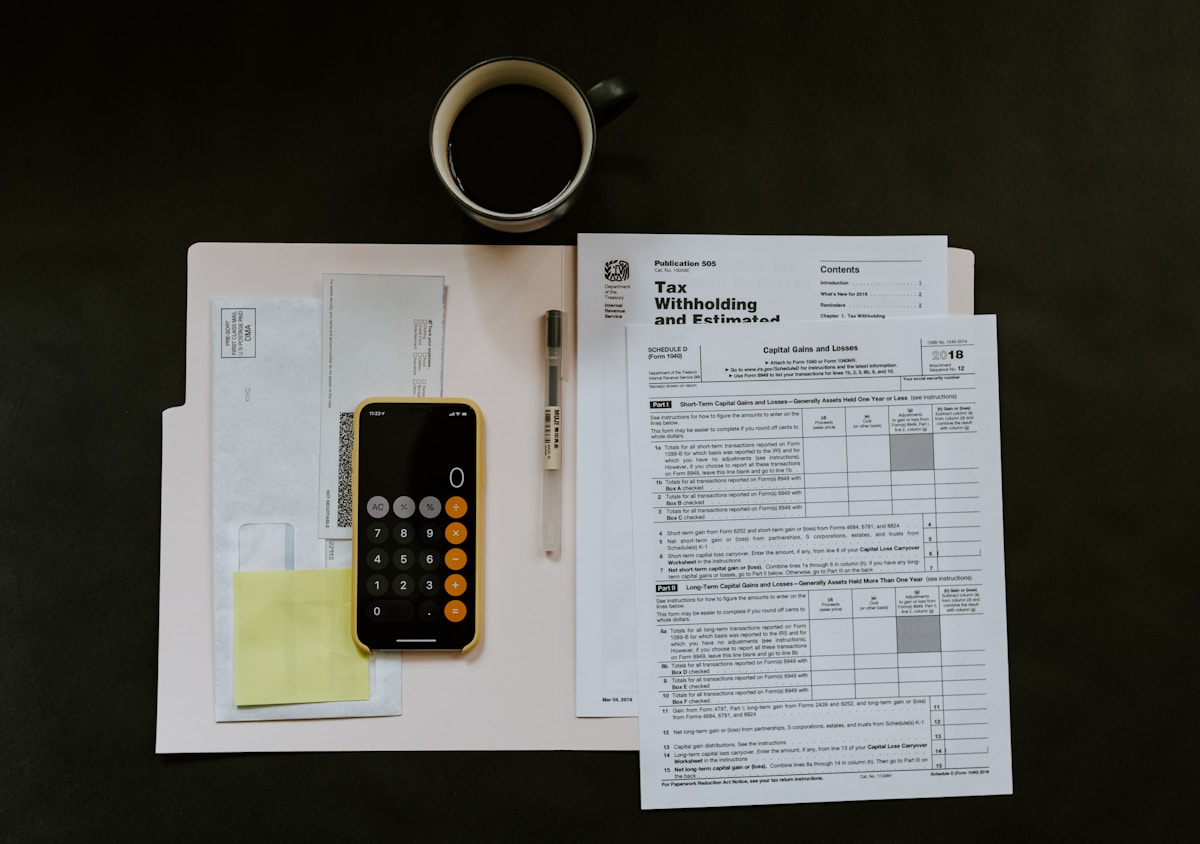
Another objection: "Monthly payments mostly go to interest—same as rent."
Wrong. Rent is direct expense with zero benefit. Homeownership is different.
The government wants to stimulate homeownership, so it gives you tax deductions:
Interest Deduction
All annual interest payments return to you as tax deductions. This isn't part of energy consumption—it's a system designed to reduce energy loss.
Property Tax Deduction
"But homeowners pay property tax!" Yes, and property tax is also a tax deduction, further reducing energy loss.
Maintenance Cost Deduction
"But I'm responsible for all expenses as a homeowner!" True, but these expenses often become tax deductions that reduce your income.
If you have a home office and work from there, office expenses become business deductions for additional tax benefits.
Depreciation: The Secret Weapon
The government depreciates part of your property's value and returns this as additional tax deduction.
Example: You own a $500,000 home. Approximately $400,000 depreciates. This divides by 27.5 years = approximately $15,000 annual tax deduction.
Combined effect: You reduce annual energy loss by 15-20% or more.
Leverage: Replacing Yourself as the Energy Creator

Here's where it gets beautiful: You can replace yourself with someone else as energy creator.
Rent out your first home, buy a second as your second energy storage, and repeat the process. Now another person supplies energy to your first home.
Diversification and Amplification

As your created energy multiplies, you can add storage to the system:
- Buy a second home
- Purchase rental properties for investment
- Diversify with other investments
Plus, you can amplify created energy many times over.
The Auto System: Passive Income
"I filled the storage—what's next?"
At some point, these energy storages start creating energy for YOU—they enter "auto system." The debt-income ratio changes so each storage gives you $1,000-$2,000 monthly income.
5 energy storages = 5x income increase.
This is exactly what we call passive income.
How to Become a Property Owner
Very simple. You need:
- Minimum 620 credit score
- Minimum 3.5% down payment
- 2-year tax payment documentation
- Proof of current employment
That's it.
The home value you qualify for equals approximately one-third of your earnings.
Example: $10,000 monthly income = qualify for home with ~$3,300 monthly payment.
"This System Is for the Wealthy"
Some say, "This system is for the wealthy."
Wrong. This system is for those who know how to start.
Price isn't the main thing. The main thing is stopping energy loss.
Your Action Steps

You're probably thinking: "What should I do?"
I won't answer that today. This decision belongs at home, not here.
When you go home tonight, discuss these 3 questions with your family:
- Are we making money, or are we building a system?
- Where has the money we've earned in the last 5 years taken us?
- Where are we losing our energy?
If these questions disturb you, this article has achieved its purpose.

About the Author
Plato Asadov is a Real Estate Sales Consultant, Investor & Construction Company Manager based in the United States. After arriving in America in 2011 with $1,000 and no English, he built and lost multiple businesses before discovering the principles of wealth building through real estate. He now helps others break free from the paycheck-to-paycheck cycle through strategic property ownership.
This article provides educational information about real estate investment and homeownership in America. Please consult with qualified financial and real estate professionals for personalized advice.
Share this article
Plato Asadov
Real Estate Agent | Investor
Real estate pro with 6+ years selling Greater Boston homes. I share what I've learned about buying, selling, and investing.
Work with Plato →